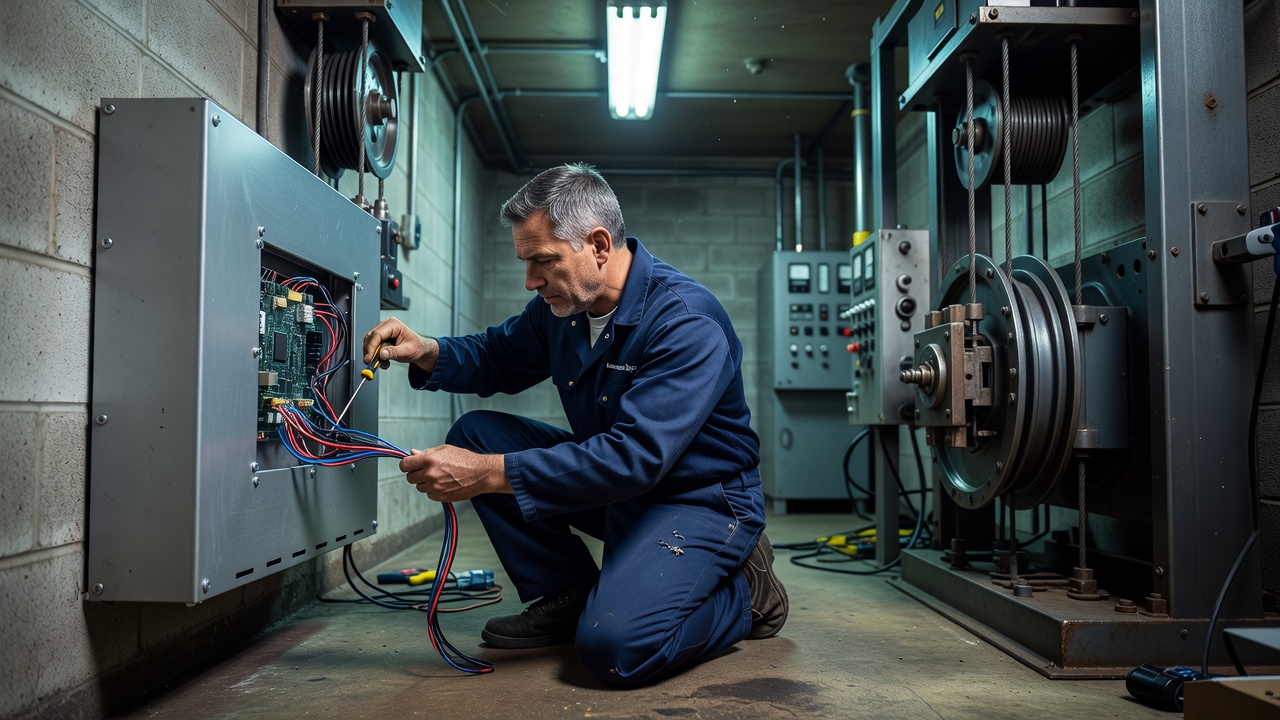
Elevator systems, much like the buildings they serve, have a finite functional lifespan. Heavy mechanical components suffer wear, and electrical control logic becomes obsolete. A commercial elevator typically requires a major modernization intervention after 20 to 25 years of service. Facility managers must decide between phased component upgrades or full system replacements.
Signs Modernization is Required
Waiting for catastrophic failure is an expensive strategy. Proactive modernization should be considered when the following symptoms appear:
- Increased Wait Times: Older dispatching algorithms are inefficient during peak traffic hours.
- Faulty Leveling: Cabs stopping slightly above or below the floor present severe tripping hazards and liability.
- Frequent Door Failures: Elevator doors cycle thousands of times a week. Door operators are statistically the most failure-prone component in the entire system.
- Parts Obsolescence: If the original equipment manufacturer (OEM) stops producing replacement relays or proprietary circuit boards, a breakdown can result in weeks of downtime.
Controller Upgrades: Relay to Microprocessor
The brain of older elevators (pre-1990s) consists of hundreds of mechanical relays clicking open and closed. These relay controllers are large, loud, and inherently inefficient. Modernizing the controller means ripping out the relay logic and installing a solid-state microprocessor. A modern microprocessor controller drastically improves group dispatching logic (deciding which car answers which hall call) and provides deep diagnostic data, allowing technicians to plug in a laptop and instantly read fault histories rather than manually testing individual circuits.
Door Equipment Modernization
Because door faults account for the majority of service interruptions, modernizing the door equipment offers the most immediate improvement to reliability. This includes replacing the heavy, motorized door operator on top of the cab, installing new tracks and rollers for smoother glide, and upgrading the safety edges.
Older systems used mechanical safety bumpers that required physical contact with a passenger to reopen. Modern code requires non-contact, 3D infrared light curtains spanning the full height of the door, which instantly reopen the door if a beam is broken.
Aesthetic vs. Mechanical Upgrades
It is important to distinguish between cab interior upgrades and mechanical modernizations. Installing new LED lighting, stainless steel wall panels, and digital floor indicators greatly improves the tenant experience and updates the building's aesthetic. However, a beautiful cab interior masks an aging motor and obsolete controller. Comprehensive modernization projects typically tackle both simultaneously to minimize tenant disruption.
The Phased Approach vs. Full Replacement
| Strategy | Description | Pros / Cons |
|---|---|---|
| Component Upgrade | Replacing specific high-wear parts (e.g., just the door operator or cab fixtures). | Lower upfront cost, less downtime. Does not address aging core systems. |
| Controller & Drive Mod | Keeping the heavy metal (guide rails, cab, motor block) but replacing the electrical brain and drive. | High ROI, massive efficiency gains. Moderate downtime. |
| Full Tear-Out | Complete removal of all equipment and installation of a new (often MRL) system. | Brand new lifecycle, ultimate efficiency. Extremely expensive, massive downtime, messy demolition. |
Conclusion
Modernization is a significant capital expenditure, but it directly impacts building valuation and tenant retention. By assessing the mechanical viability of the hoisting machines, the availability of parts, and current code compliance status, a phased modernization strategy can breathe another two decades of life into aging infrastructure.