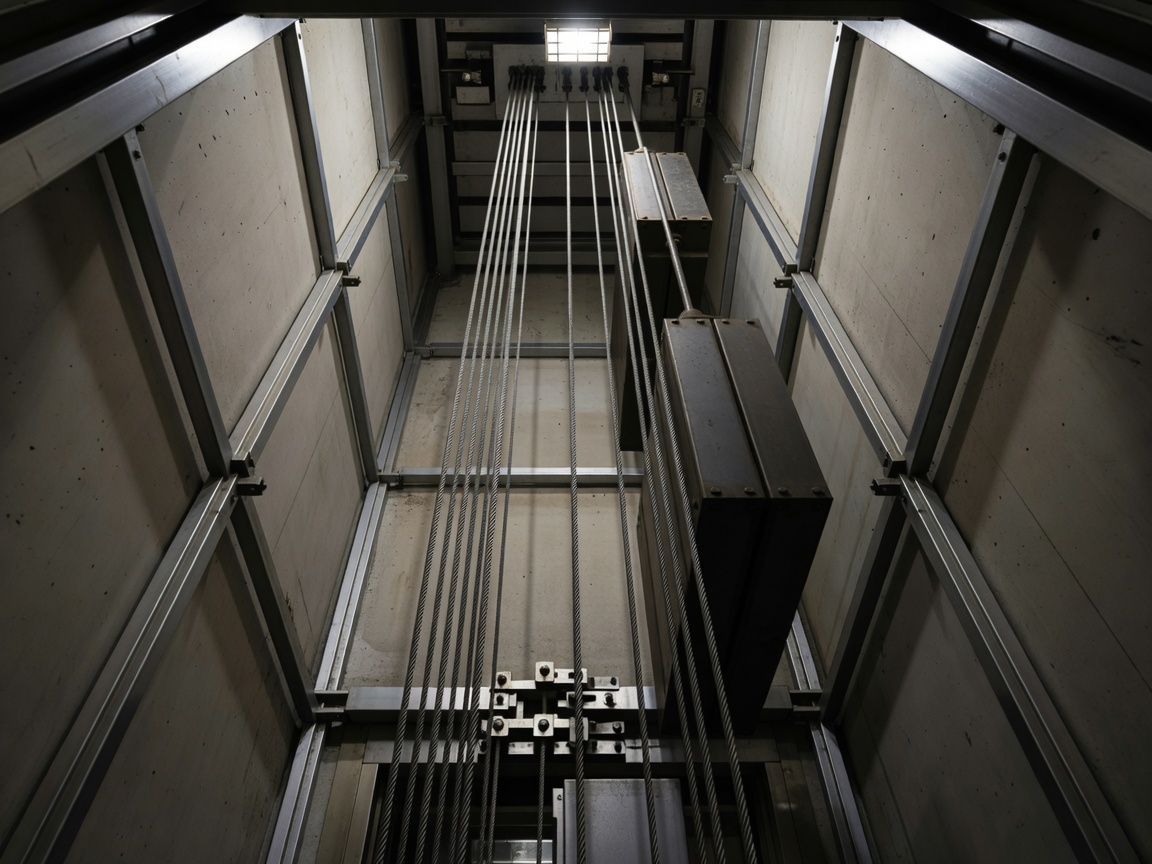
Traction Elevators
Utilizing geared and gearless mechanisms, traction elevators rely on physics and counterweights to achieve high speeds in tall commercial structures.
Clipcompasspures provides authoritative technical resources on elevator infrastructure, mechanical specifications, and code compliance for commercial applications.
Utilizing geared and gearless mechanisms, traction elevators rely on physics and counterweights to achieve high speeds in tall commercial structures.
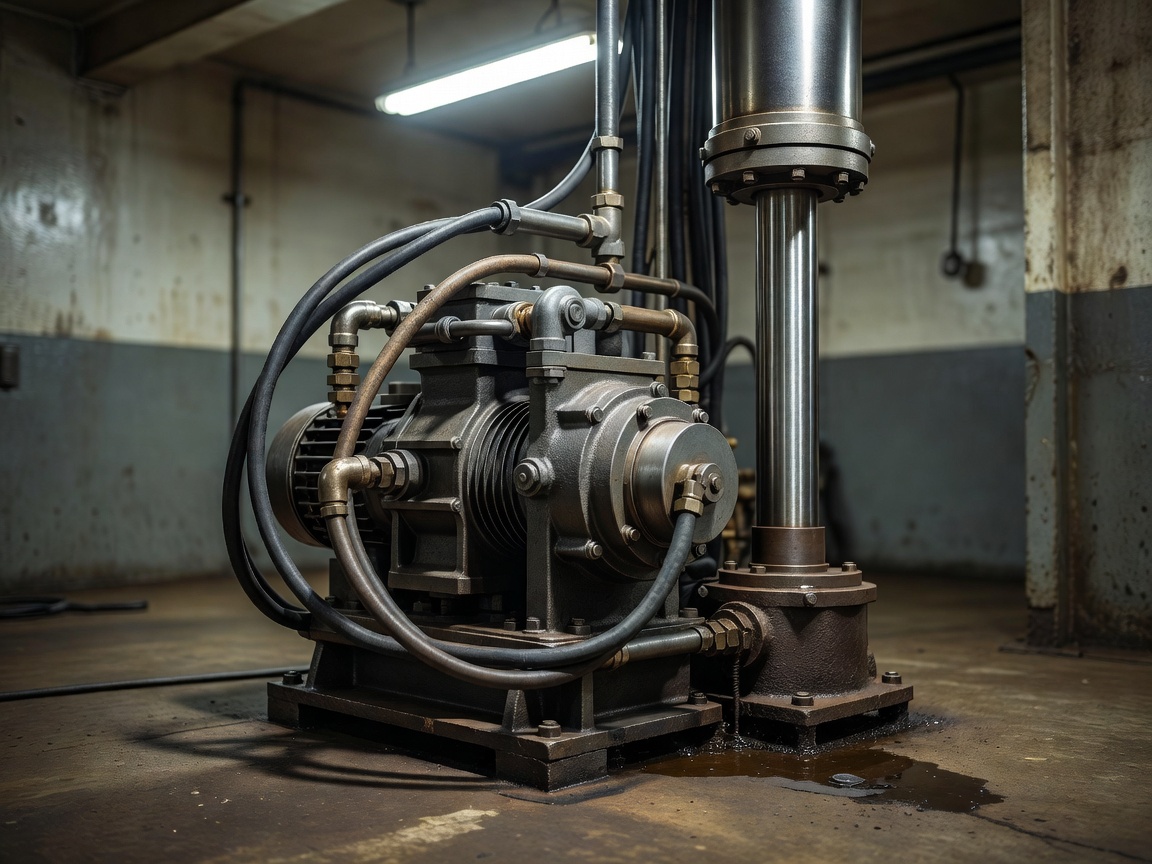
Driven by fluid displacement and pistons, hydraulic systems offer robust lifting capacity and lower upfront installation costs for structures up to six stories.
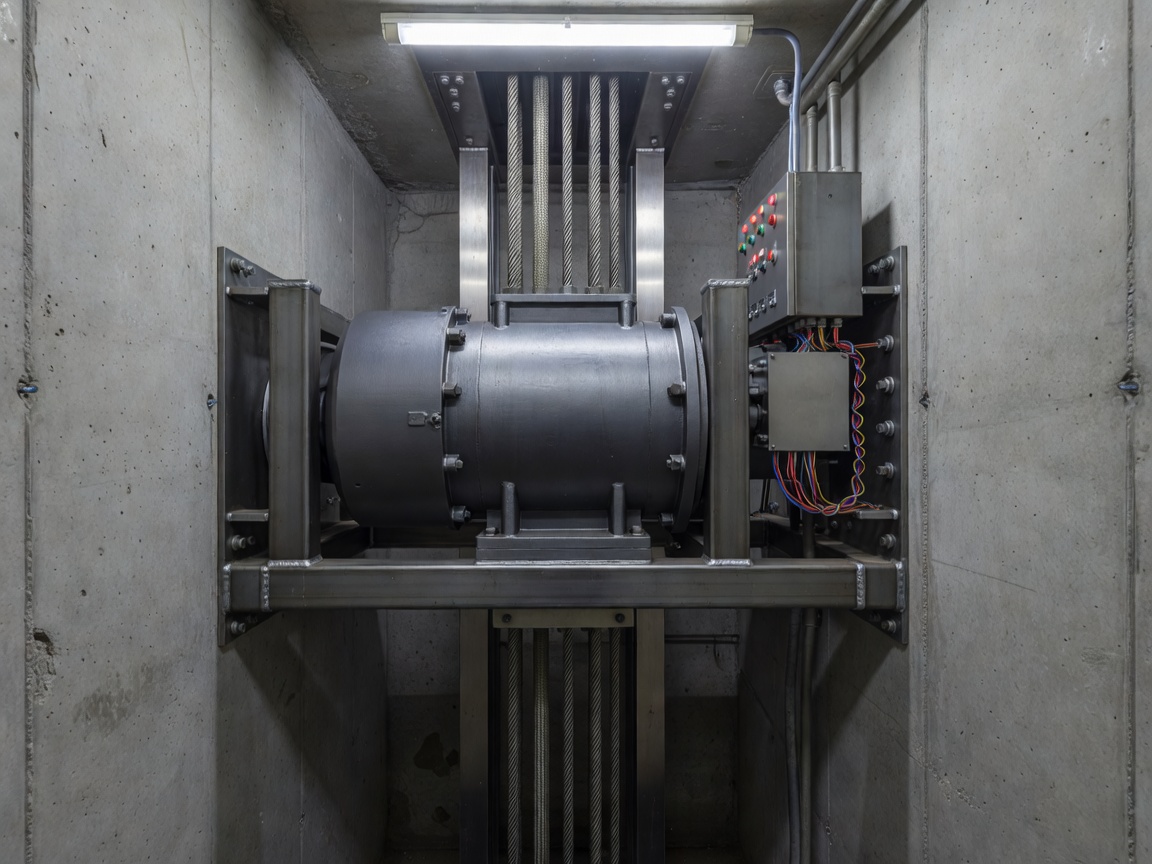
By mounting compact gearless machines directly in the hoistway, MRL elevators eliminate the need for a dedicated rooftop machine room, saving valuable architectural space.
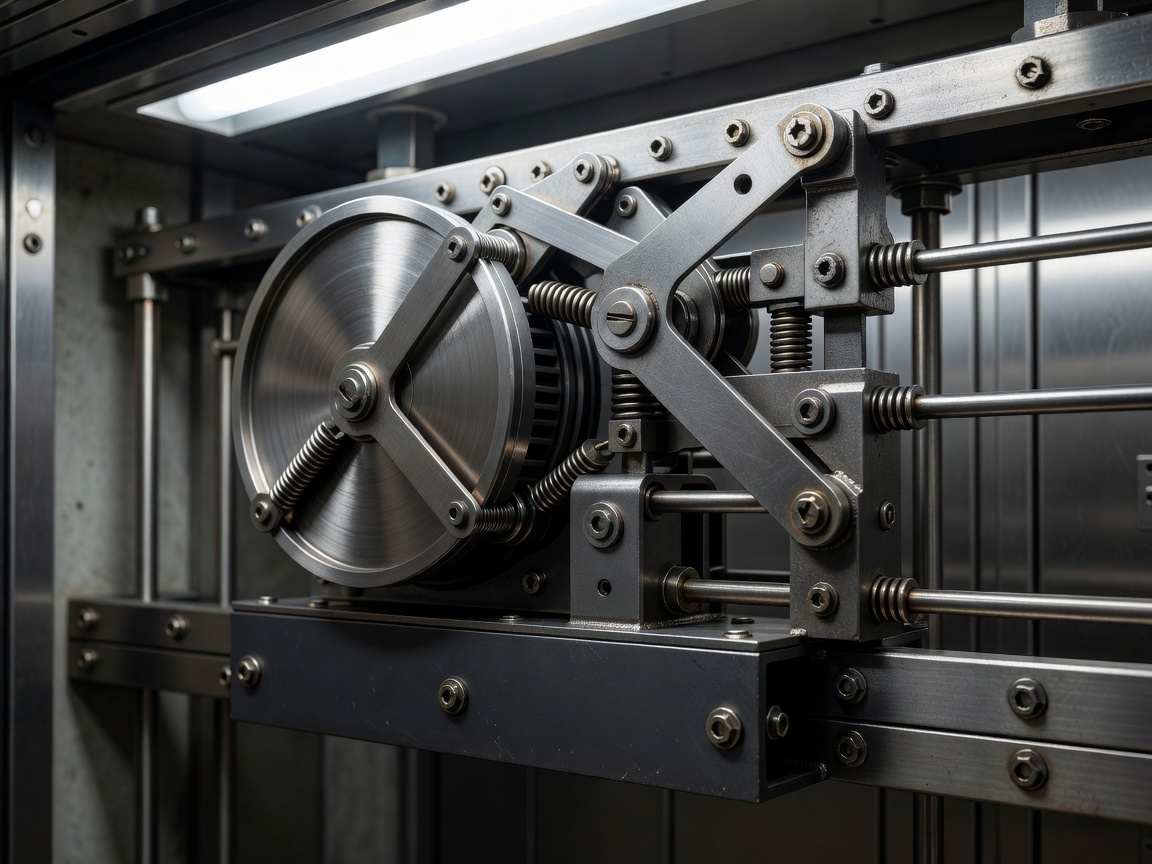
A deep dive into overspeed governors, safety catches, buffers, and door interlocks that prevent free-falls and protect passengers in accordance with ASME A17.1.
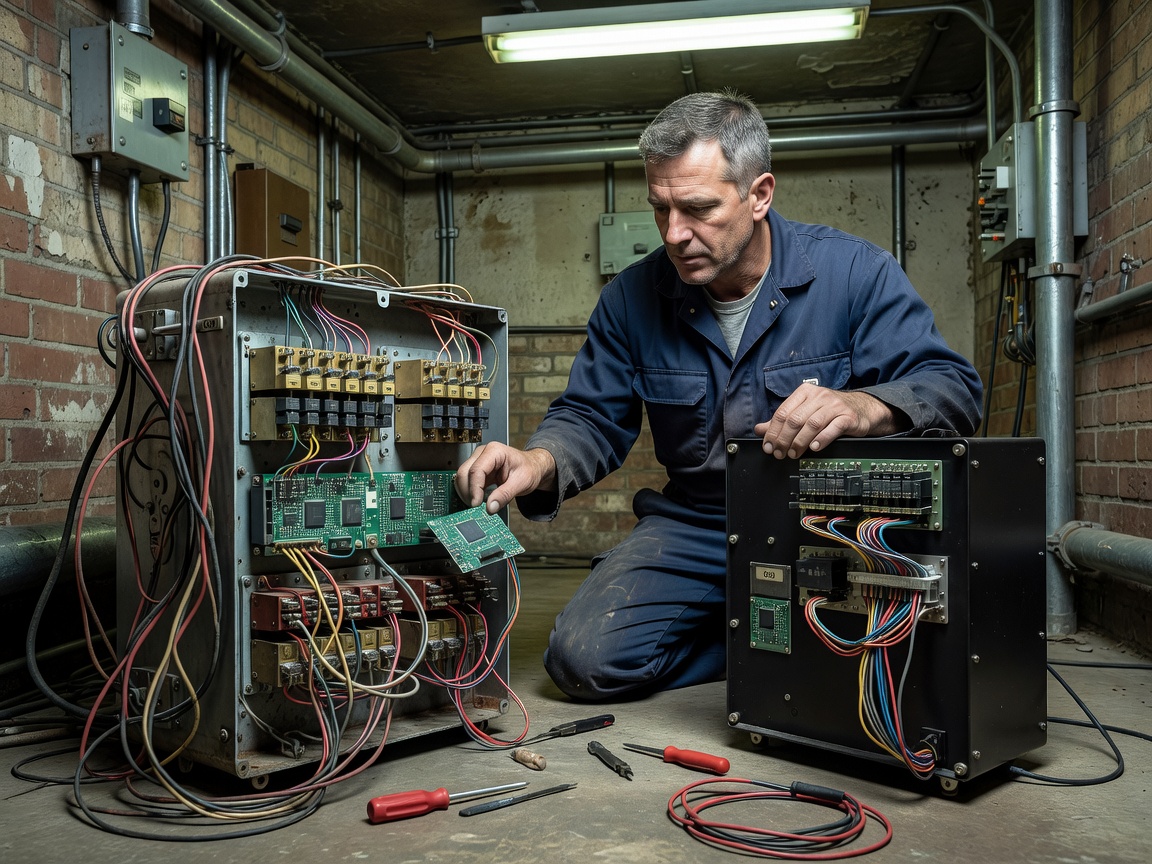
Strategic component upgrades, from relay logic to microprocessor controllers, to extend equipment lifespan, improve ride quality, and reduce energy consumption.
In modern urban environments, the efficiency of a building is directly tied to its vertical transportation systems. The choice between traction, hydraulic, and MRL architectures dictates long-term energy consumption, tenant satisfaction, and maintenance overhead.
Clipcompasspures Elevators Ltd provides the analytical rigor necessary for facility managers and architects to specify, maintain, and upgrade these critical infrastructure components safely and sustainably.